Sustainable Architecture: The Future of Homes
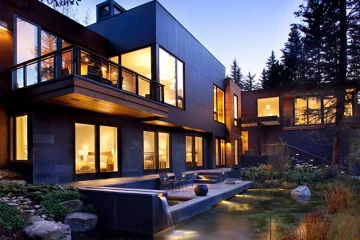
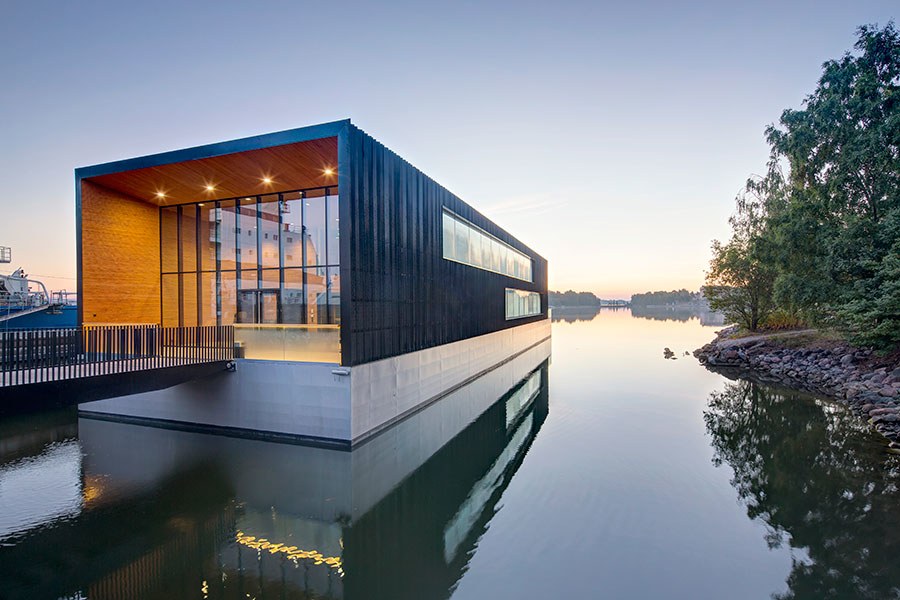
Sustainable architecture is no longer a niche concept—it’s becoming the standard for modern homes. As environmental concerns grow and resources become more limited, homeowners and designers are turning toward smarter, eco-conscious building practices. The focus is not just on reducing harm, but on creating homes that actively contribute to a healthier planet and a better quality of life.
What Is Sustainable Architecture?
Sustainable architecture refers to designing and constructing homes that minimize environmental impact while maximizing efficiency and comfort.
Core principles include:
- Energy efficiency to reduce consumption
- Use of renewable and recycled materials
- Water conservation systems
- Designs that adapt to local climate conditions
The goal is to create homes that are both environmentally responsible and economically viable over time.
Energy Efficiency at the Core
Energy use is one of the biggest factors in a home’s environmental footprint.
Key energy-saving strategies:
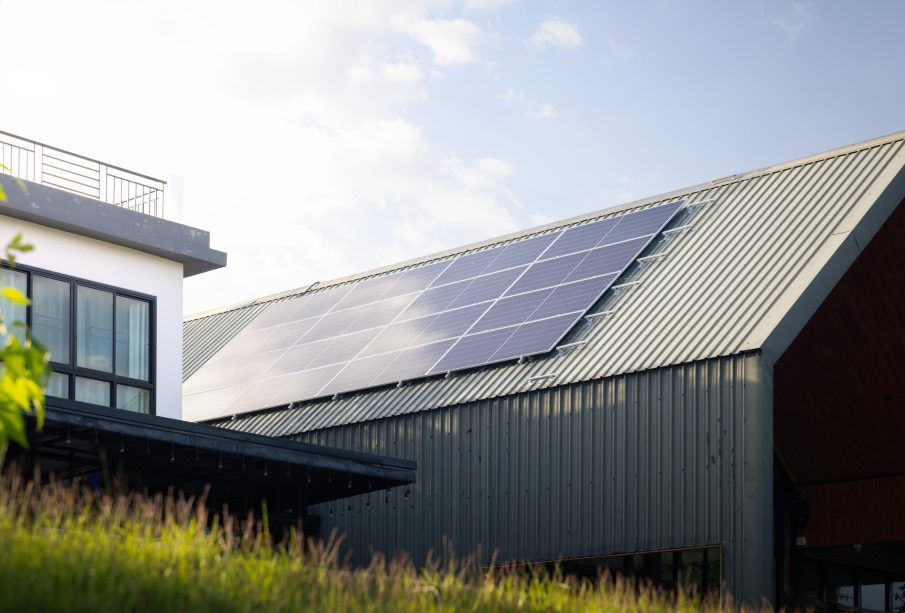
- Installing solar panels for renewable power
- Using high-performance insulation to maintain indoor temperature
- Incorporating energy-efficient windows and doors
- Designing homes for natural ventilation and daylight
Efficient homes reduce utility bills while lowering carbon emissions.
Passive Design for Natural Comfort
Passive design focuses on using natural elements to regulate indoor conditions.
Common passive design features:
- Orientation of the home to capture sunlight and airflow
- Shading systems to reduce heat gain
- Thermal mass materials that store and release heat
- Strategic window placement for cross-ventilation
This approach reduces the need for artificial heating and cooling.
Eco-Friendly Building Materials
Material selection plays a crucial role in sustainability.
Popular sustainable materials:
- Bamboo and reclaimed wood
- Recycled steel and concrete
- Low-VOC (volatile organic compound) paints
- Locally sourced materials to reduce transportation impact
These materials are durable, safer for indoor air quality, and less harmful to the environment.
Water Conservation Solutions
Water efficiency is becoming increasingly important in modern homes.
Effective water-saving systems:
- Rainwater harvesting for reuse
- Low-flow fixtures and smart plumbing
- Greywater recycling systems
- Drought-resistant landscaping
These solutions help conserve water without compromising daily comfort.
Smart Technology Integration
Technology is enhancing how sustainable homes operate.
Smart features include:
- Automated systems for lighting, heating, and cooling
- Energy monitoring tools for real-time usage tracking
- Smart irrigation systems for efficient water use
- Integration with renewable energy sources
Smart homes optimize resources and make sustainable living more convenient.
Net-Zero and Energy-Positive Homes
A growing trend in sustainable architecture is the move toward net-zero energy homes.
What this means:
- Homes produce as much energy as they consume
- Excess energy can be stored or returned to the grid
- Reduced dependence on external power sources
Energy-positive homes go a step further by generating more energy than they use.
Indoor Environmental Quality
Sustainable homes prioritize the health and comfort of occupants.
Key elements:
- Improved air quality through ventilation systems
- Use of non-toxic materials
- Access to natural light
- Acoustic comfort and thermal stability
A well-designed sustainable home supports both physical and mental well-being.
Long-Term Cost Benefits
While sustainable homes may require a higher initial investment, they offer significant savings over time.
Financial advantages:
- Lower energy and water bills
- Reduced maintenance costs
- Increased property value
- Potential government incentives or tax benefits
Sustainability is not just an environmental choice—it’s a smart financial decision.
The Role of Climate-Responsive Design
Homes designed for specific climates perform better and consume fewer resources.
Examples:
- Sloped roofs in rainy regions
- Thick walls for insulation in extreme climates
- Elevated structures in flood-prone areas
- Shaded outdoor spaces in hot environments
Adapting design to local conditions enhances efficiency and durability.
FAQs
1. Are sustainable homes more expensive to build?
They can have higher upfront costs, but long-term savings on energy and maintenance often offset the initial investment.
2. What is the difference between green and sustainable architecture?
Green architecture focuses mainly on environmental impact, while sustainable architecture includes economic and social factors as well.
3. Can existing homes be made sustainable?
Yes, through upgrades like better insulation, energy-efficient appliances, and renewable energy systems.
4. How long do solar panels last in residential homes?
Most solar panels have a lifespan of 20–25 years with proper maintenance.
5. What is greywater recycling?
It involves reusing water from sinks, showers, and laundry for non-potable purposes like irrigation.
6. Do sustainable homes require special maintenance?
Not necessarily. Many systems are designed to be low-maintenance and user-friendly.
7. Is sustainable architecture suitable for all climates?
Yes, but designs must be adapted to local environmental conditions for maximum efficiency.
Sustainable architecture represents a shift toward smarter, healthier, and more responsible living. As innovation continues to evolve, the homes of the future will not only shelter us—they will actively support the planet and enhance our everyday lives.