Modern Architecture Trends Shaping Urban Living
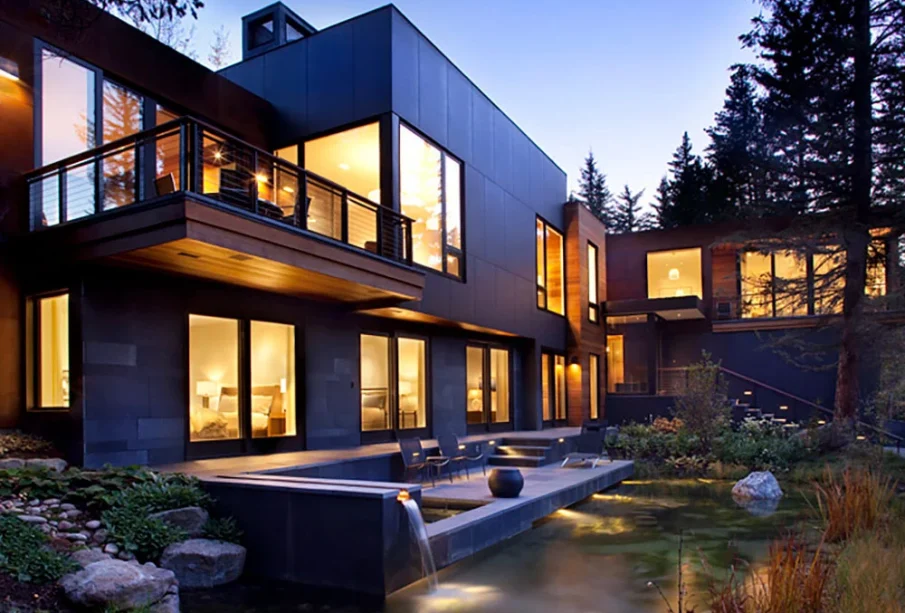
Cities are evolving faster than ever, and architecture is at the center of that transformation. Modern urban design is no longer just about aesthetics—it’s about sustainability, functionality, and improving everyday life. As populations grow and space becomes limited, architects are rethinking how people live, work, and interact within cities.
The Shift Toward Sustainable Design
Sustainability is no longer optional in modern architecture—it’s a necessity.
Key features of sustainable buildings:
- Energy-efficient materials that reduce heat loss
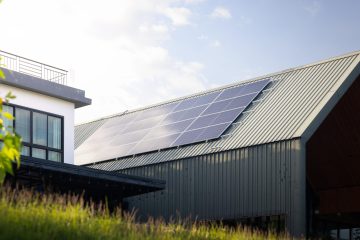
- Integration of solar panels and renewable energy systems
- Use of green roofs and vertical gardens
- Water-saving systems like rainwater harvesting
These elements reduce environmental impact while lowering long-term operating costs for residents and cities.
Rise of Mixed-Use Developments
Urban living is becoming more integrated, with spaces designed for multiple purposes.
What defines mixed-use architecture:
- Residential, commercial, and recreational spaces in one area
- Reduced need for long commutes
- Walkable neighborhoods with easy access to essentials
- Increased community interaction
This approach creates vibrant, self-sustaining urban environments where daily life becomes more convenient.
Smart Buildings and Technology Integration
Technology is redefining how buildings function and respond to occupants.
Smart architecture innovations:
- Automated lighting and climate control systems
- Smart security with facial recognition and remote access
- IoT-enabled devices for real-time monitoring
- Energy usage optimization through intelligent systems
These advancements enhance comfort, safety, and efficiency in urban homes and workplaces.
Compact and Modular Living Spaces
With rising urban density, space-efficient design has become essential.
Features of compact living:
- Modular furniture and flexible layouts
- Prefabricated building components for faster construction
- Micro-apartments designed for maximum utility
- Adaptable spaces that serve multiple functions
This trend allows cities to accommodate more residents without expanding their physical footprint.
Biophilic Design: Bringing Nature Indoors
Modern architecture increasingly incorporates natural elements into urban spaces.
Common biophilic elements:
- Indoor plants and green walls
- Natural light optimization
- Use of wood, stone, and organic materials
- Open-air terraces and courtyards
These features improve mental well-being and create a calming contrast to busy city life.
Minimalist and Functional Aesthetics
Contemporary urban architecture often embraces simplicity.
Characteristics of modern minimalism:
- Clean lines and uncluttered forms
- Neutral color palettes
- Focus on functionality over ornamentation
- Open floor plans with fewer partitions
Minimalist design enhances usability while maintaining a timeless visual appeal.
Adaptive Reuse of Existing Structures
Instead of building from scratch, many cities are repurposing old structures.
Benefits of adaptive reuse:
- Preservation of historical character
- Reduced construction waste
- Lower costs compared to new builds
- Creative transformation of unused spaces
Old factories, warehouses, and offices are being converted into modern homes, offices, and cultural hubs.
Emphasis on Walkability and Human-Centric Design
Urban planning is shifting toward people-first environments.
Key aspects:
- Pedestrian-friendly streets and pathways
- Reduced reliance on cars
- Accessible public spaces and parks
- Improved connectivity between neighborhoods
This trend promotes healthier lifestyles and stronger community connections.
Use of Innovative Materials
New materials are reshaping how buildings are constructed and maintained.
Examples include:
- Self-healing concrete that repairs cracks automatically
- Lightweight composites for faster construction
- Recycled and eco-friendly building materials
- High-performance glass for insulation and energy efficiency
These materials improve durability while supporting sustainable practices.
Flexible Work and Living Environments
The way people use spaces is changing, especially with remote work becoming common.
Emerging design solutions:
- Homes with dedicated workspaces
- Co-living and co-working environments
- Shared amenities within residential complexes
- Spaces designed for both productivity and relaxation
Flexibility ensures that urban homes adapt to modern lifestyles.
FAQs
1. What is the biggest driver of modern urban architecture trends?
Population growth and environmental concerns are the primary drivers, pushing architects to design smarter and more sustainable spaces.
2. Are smart buildings expensive to maintain?
While initial costs can be higher, smart systems often reduce long-term energy and maintenance expenses.
3. How does biophilic design benefit residents?
It improves mental health, reduces stress, and enhances overall well-being by connecting people with nature.
4. What are micro-apartments, and are they practical?
Micro-apartments are small, highly efficient living spaces designed for urban areas. They are practical for individuals who prioritize location and affordability.
5. Can old buildings meet modern sustainability standards?
Yes, through retrofitting and upgrades, older structures can be made energy-efficient and environmentally friendly.
6. Why are mixed-use developments becoming popular?
They offer convenience, reduce travel time, and create lively communities with everything nearby.
7. What role does technology play in future architecture?
Technology enables smarter, more efficient buildings that adapt to user needs, improve energy use, and enhance security.
Modern architecture is shaping cities into smarter, greener, and more livable spaces. As these trends continue to evolve, urban living will become not just more efficient, but also more human-centered and sustainable.