How to Make a Tiny Apartment Feel Spacious
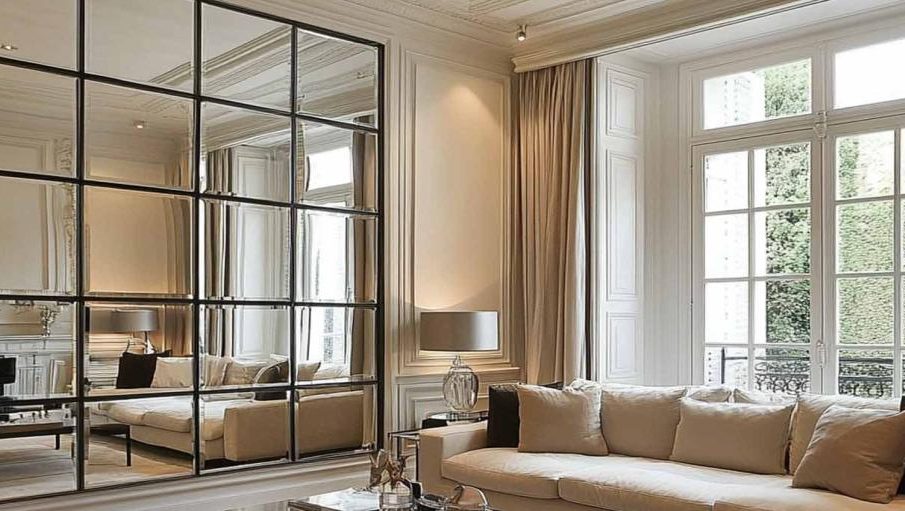
Living in a tiny apartment can feel restrictive at first, but smart design choices can completely change how a space looks and functions. Spaciousness isn’t just about square footage—it’s about perception, organization, and flow. With the right approach, even a compact home can feel open, breathable, and inviting.
Focus on Visual Openness
Creating a sense of openness starts with how the eye moves through the room.
Key techniques:
- Keep sightlines clear by avoiding bulky furniture
- Use low-profile pieces to maintain visual continuity
- Avoid overcrowding walls with too many items
- Leave small gaps between furniture and walls to create depth
A room feels larger when nothing blocks the natural line of vision.
Choose Light and Neutral Colors
Color has a powerful effect on how large or small a space appears.
Best color strategies:
- Use soft whites, creams, and pastels for walls
- Stick to a limited color palette to reduce visual clutter
- Add subtle contrast through textures instead of bold colors
- Paint ceilings slightly lighter than walls for added height
Lighter shades reflect more light, instantly making rooms feel bigger.
Let Natural Light Take Center Stage
Natural light can dramatically transform a small apartment.
Ways to enhance it:
- Keep windows uncovered or lightly dressed
- Use sheer curtains instead of heavy drapes
- Position mirrors to reflect incoming light
- Avoid placing large furniture near windows
Bright spaces naturally feel more open and comfortable.
Use Mirrors Strategically
Mirrors are one of the simplest ways to expand visual space.
Smart mirror placement:
- Place a large mirror opposite a window
- Use mirrored furniture for subtle reflection
- Create a gallery wall with reflective elements
- Add vertical mirrors to emphasize height
They reflect both light and space, creating an illusion of depth.
Keep Furniture Proportional
Oversized furniture can overwhelm a small apartment.
What to look for:
- Choose compact, scaled-down furniture
- Opt for pieces with exposed legs to create airiness
- Avoid heavy, bulky designs
- Use transparent materials like glass or acrylic
The right proportions make the room feel balanced rather than cramped.
Embrace Smart Storage
Clutter is one of the biggest reasons a space feels small.
Efficient storage ideas:
- Use hidden storage like under-bed drawers
- Install wall-mounted shelves
- Choose furniture with built-in storage
- Keep surfaces clear and organized
A clutter-free environment immediately feels more spacious.
Create Flow with Layout
The arrangement of furniture can either open up a room or make it feel tight.
Layout tips:
- Keep walkways clear and unobstructed
- Arrange furniture to encourage easy movement
- Avoid pushing everything against the walls
- Group items logically to create defined zones
Good flow helps the space feel natural and easy to navigate.
Use Vertical Design Elements
Drawing the eye upward creates the illusion of height.
Vertical tricks:
- Hang curtains closer to the ceiling
- Use tall shelves or cabinets
- Add vertical artwork or patterns
- Install lighting that directs attention upward
This technique makes ceilings appear higher than they are.
Limit Decorative Clutter
Decor adds personality, but too much can overwhelm a small space.
Balanced decorating tips:
- Choose a few statement pieces instead of many small ones
- Keep surfaces mostly clear
- Use functional decor like stylish storage baskets
- Rotate decor seasonally instead of displaying everything
Intentional decor keeps the space visually calm.
Keep It Cohesive
Consistency in design helps a small apartment feel unified.
How to maintain cohesion:
- Stick to a consistent material and color theme
- Match finishes across furniture and fixtures
- Avoid mixing too many styles
- Repeat patterns or textures subtly
A cohesive look prevents the space from feeling fragmented.
FAQs
1. Can dark colors ever work in a tiny apartment?
Yes, but they should be used sparingly as accents. Too much dark color can make a space feel enclosed.
2. How do I make a low ceiling appear higher?
Hang curtains high, use vertical decor, and keep ceiling colors lighter than the walls.
3. Are rugs helpful in small apartments?
Yes, rugs can define areas and add warmth, but they should be appropriately sized to avoid visual clutter.
4. What type of lighting is best for small spaces?
Layered lighting—combining ambient, task, and accent lighting—creates depth and avoids harsh shadows.
5. Should I avoid patterns in a tiny apartment?
Not entirely. Use subtle or small-scale patterns to add interest without overwhelming the space.
6. How can I make a rental apartment feel bigger without permanent changes?
Use removable decor like mirrors, peel-and-stick wallpaper, and flexible furniture arrangements.
7. Does furniture placement really impact how big a space feels?
Absolutely. Thoughtful placement improves flow, reduces visual clutter, and enhances openness.
A tiny apartment doesn’t have to feel limiting. With thoughtful design choices and a focus on simplicity, you can create a space that feels open, functional, and comfortable every day.