Smart Home Upgrades You Should Consider
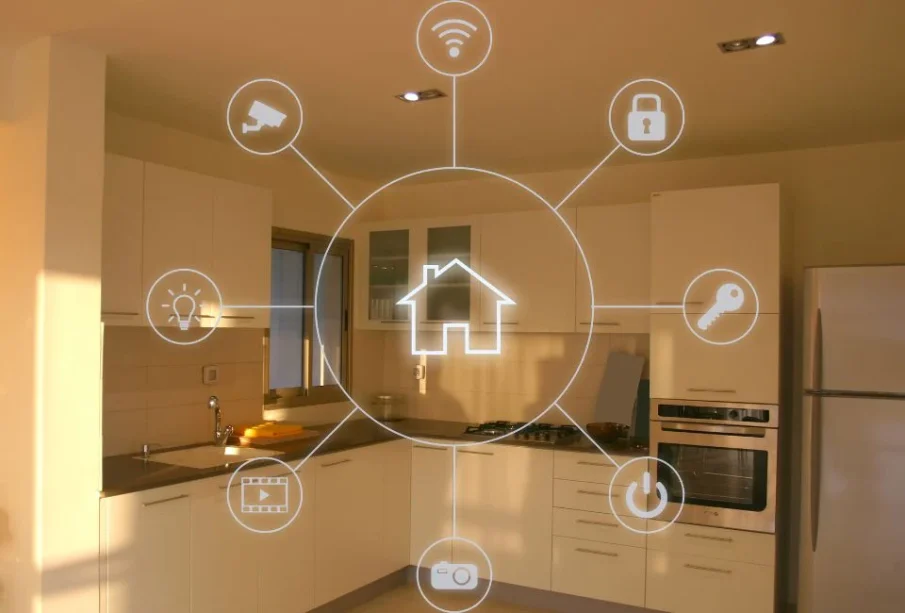
Smart home technology has moved from luxury to everyday convenience. With the right upgrades, you can improve comfort, security, and energy efficiency while simplifying daily routines. Modern smart systems are easier to install than ever, making them accessible for both homeowners and renters.
What Makes a Home “Smart”?
A smart home uses connected devices that can be controlled remotely or automatically.
Core features include:
- Automation of everyday tasks
- Remote control via smartphone apps
- Integration between multiple devices
- Data-driven efficiency and customization
These systems help you manage your home more efficiently with minimal effort.
Smart Lighting Systems
Lighting is one of the easiest upgrades to start with.
Benefits of smart lighting:
- Control lights remotely or with voice commands
- Adjust brightness and color based on mood
- Set schedules for automatic on/off
- Improve energy efficiency with LED technology
Smart lighting enhances both convenience and ambiance.
Smart Thermostats
Temperature control becomes more efficient with smart thermostats.
Key advantages:
- Learn your preferences over time
- Adjust temperature automatically
- Reduce energy consumption
- Control settings from anywhere
These devices help maintain comfort while lowering utility bills.
Home Security Systems
Security is a major reason people invest in smart upgrades.
Essential smart security features:
- Smart cameras with real-time monitoring
- Video doorbells for remote access
- Motion sensors and alerts
- Smart locks for keyless entry
These systems provide peace of mind and improved safety.
Smart Plugs and Power Management
Smart plugs are simple but highly effective.
What they offer:
- Turn devices on or off remotely
- Monitor energy usage
- Schedule appliances to run at specific times
- Reduce standby power consumption
They are an affordable way to begin building a smart home.
Voice Assistants and Central Control
Voice assistants act as the hub for smart home systems.
Common uses:
- Control multiple devices with voice commands
- Set reminders and schedules
- Play music or access information
- Integrate with other smart devices
A central system simplifies managing your entire home.
Smart Appliances
Modern appliances now come with smart features.
Examples include:
- Refrigerators with inventory tracking
- Washing machines with remote control
- Smart ovens with preset cooking modes
- Air purifiers with automatic adjustments
These appliances add convenience and efficiency to daily tasks.
Automated Window Treatments
Smart blinds and curtains improve comfort and energy use.
Benefits:
- Open and close automatically based on time or sunlight
- Improve insulation and temperature control
- Enhance privacy
- Integrate with lighting and climate systems
They add both functionality and a modern touch.
Smart Irrigation Systems
For homes with gardens, smart irrigation is a valuable upgrade.
Key features:
- Automated watering schedules
- Weather-based adjustments
- Efficient water usage
- Remote monitoring and control
This helps maintain healthy plants while conserving water.
Energy Monitoring Systems
Understanding energy usage can lead to better efficiency.
What these systems do:
- Track real-time energy consumption
- Identify high-usage appliances
- Provide insights for cost savings
- Help reduce environmental impact
Energy monitoring supports smarter decision-making.
FAQs
1. Are smart home upgrades expensive?
Costs vary widely, but many entry-level devices like smart plugs and bulbs are affordable.
2. Do smart devices require professional installation?
Not always. Many devices are designed for easy DIY installation.
3. Is a strong internet connection necessary?
Yes, most smart devices rely on a stable internet connection for optimal performance.
4. Can smart home devices work together?
Yes, many systems are designed to integrate and function as a unified network.
5. Are smart homes secure from hacking?
While generally safe, using strong passwords and secure networks is essential for protection.
6. Can I upgrade a rented home with smart technology?
Yes, many smart devices are portable and do not require permanent installation.
7. What is the best smart upgrade to start with?
Smart lighting or plugs are great starting points due to their affordability and ease of use.
Smart home upgrades are about making life easier, safer, and more efficient. By starting with simple devices and gradually expanding, you can build a connected home that adapts to your needs and enhances everyday living.